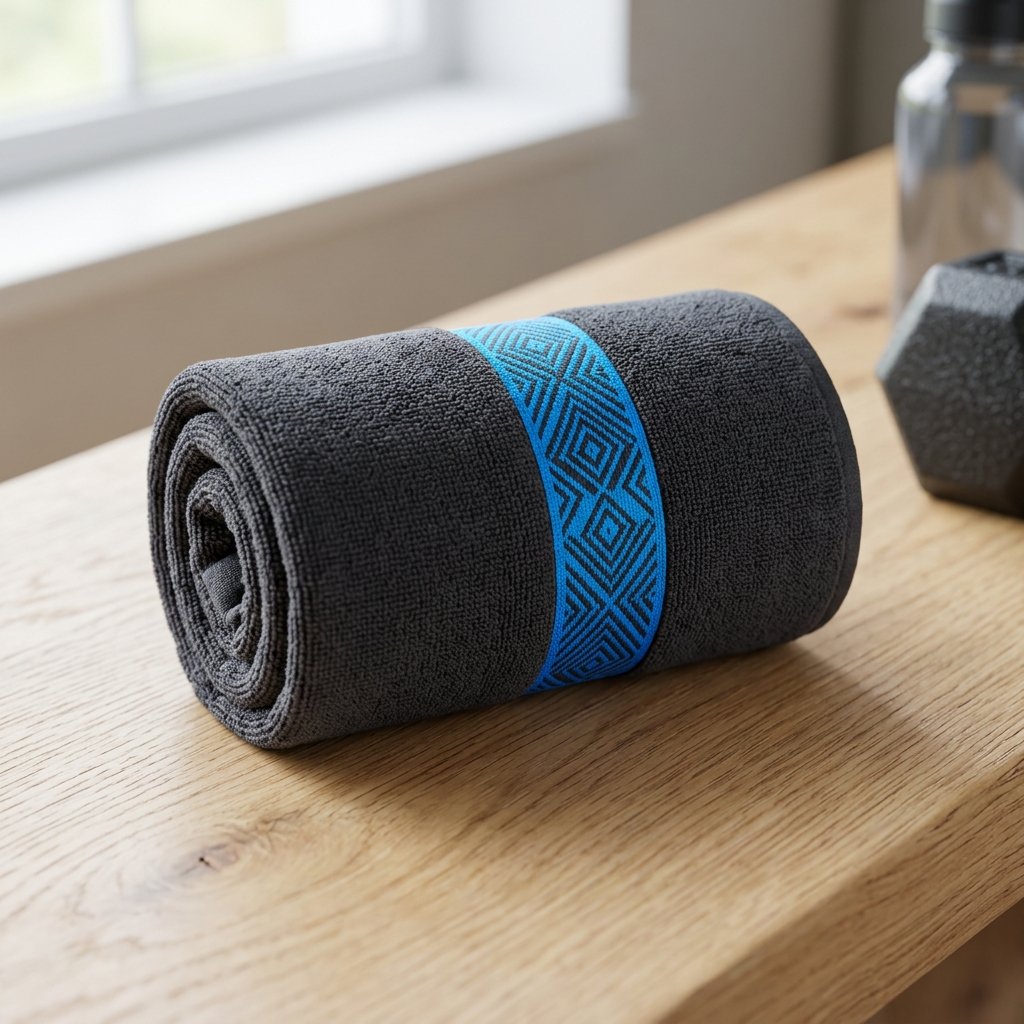
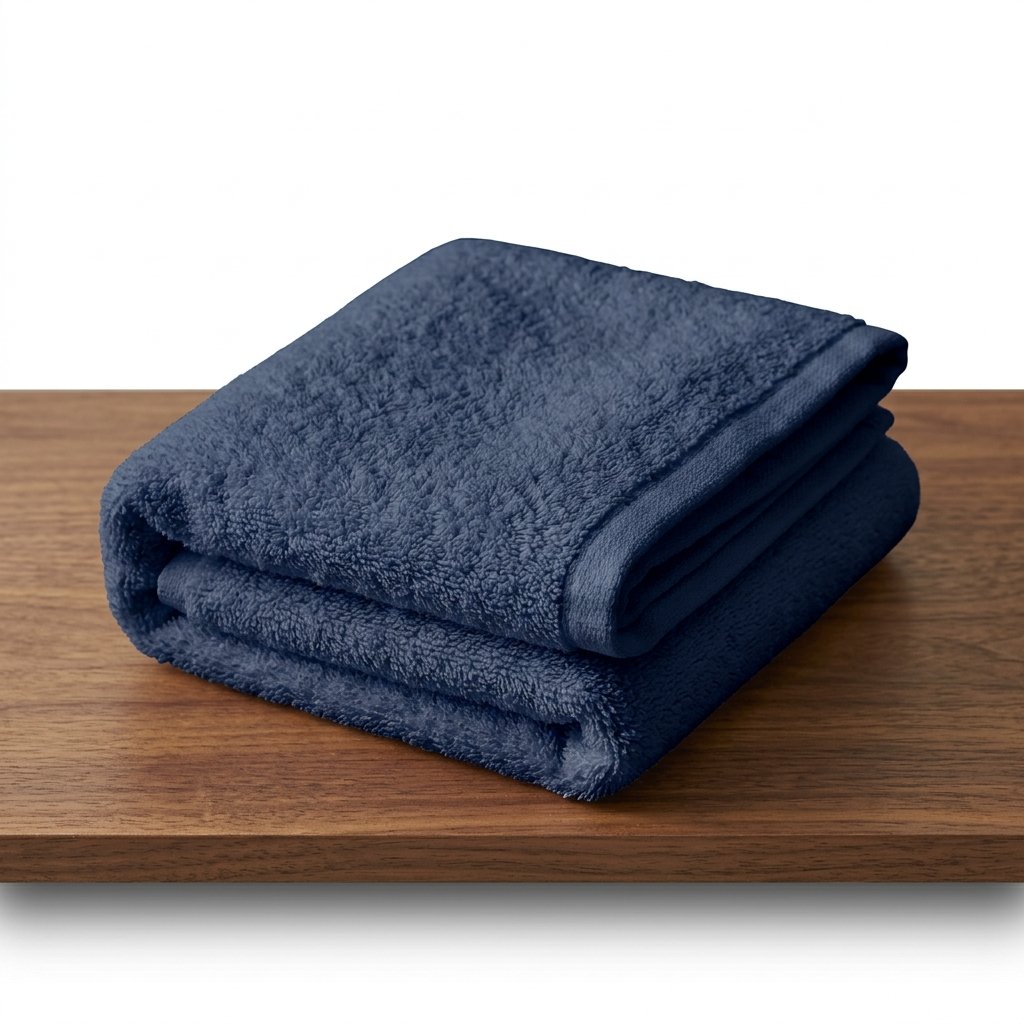
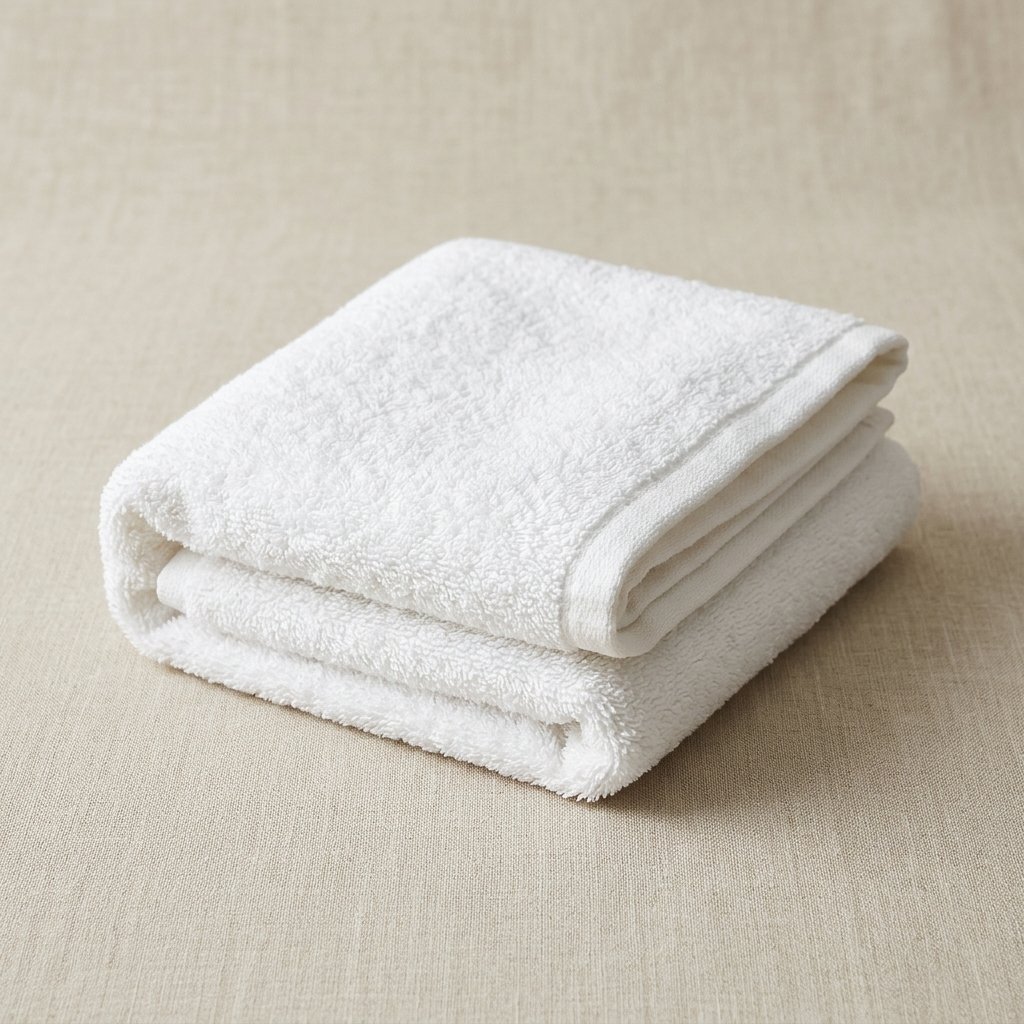



Few things compare to the luxurious feeling of wrapping yourself in a plush, ultra-soft towel after a relaxing shower. However, after a few laundry cycles, even premium, export-grade towels can start feeling rough, stiff, and scratchy.
If your towels have lost their cloud-like texture, don’t worry you don’t need to replace them. Stiff towels are usually caused by built-up detergent residue, hard water minerals, fabric softener buildup, and improper drying techniques. By tweaking your laundry routine with these expert wash and care secrets, you can restore and maintain that hotel-quality fluffiness for years to come.
1. Ditch the Commercial Fabric Softener
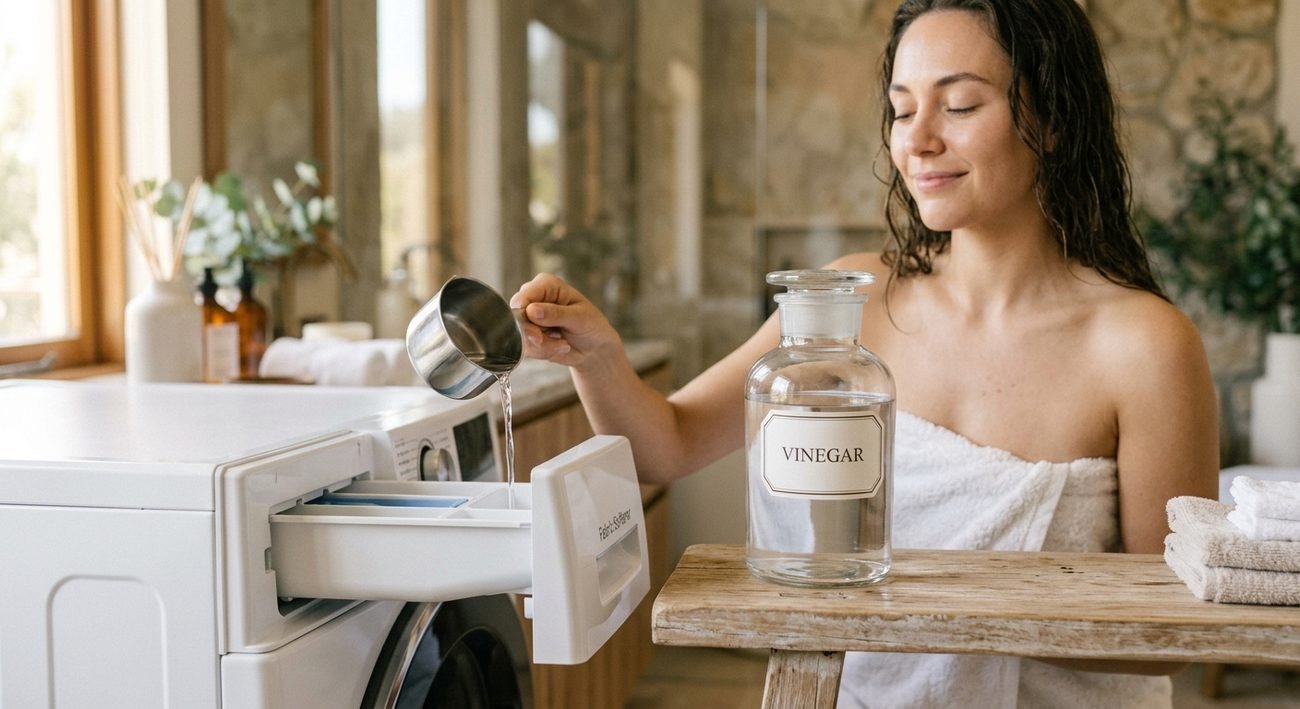
It sounds counterintuitive, but commercial liquid fabric softeners are the number one enemy of soft, absorbent towels.
- The Problem: Fabric softeners leave a microscopic layer of silicone or oil over cotton fibers. Over time, this coating repels water, making your towels significantly less absorbent while locking in dirt and odors.
- The Solution: Swap liquid softener for distilled white vinegar. Add 1/2 cup of white vinegar to the fabric softener dispenser during the rinse cycle. Vinegar naturally breaks down soap scum, strips away mineral buildup, and relaxes cotton fibers, leaving towels naturally soft without any greasy residue.
2. Master the Water Temperature and Cycle
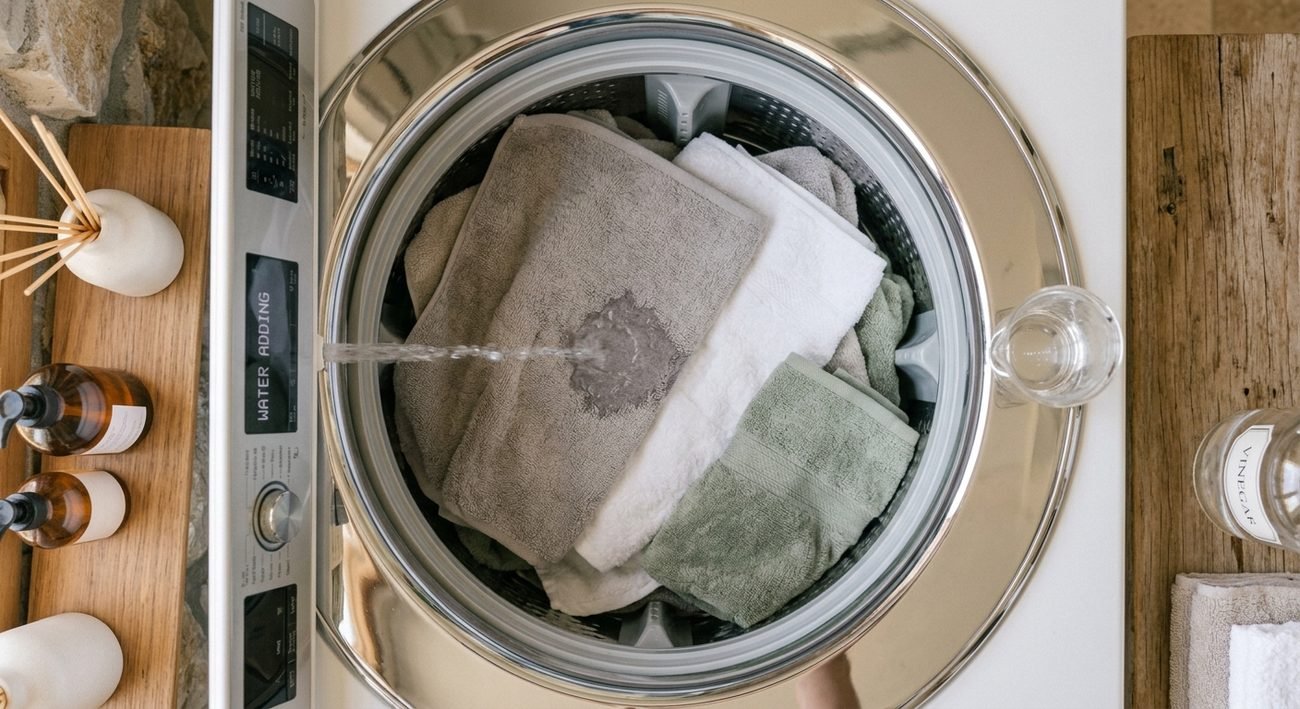
Washing towels at the wrong temperature can damage the cotton fibers or fail to clean them thoroughly.
- Ideal Temperature: For general washing, use warm water (around 40°C or 104°F). Warm water dissolves detergent effectively and cleans off body oils without causing the fibers to shrink or break down prematurely.
- White vs. Colored Towels: You can use hot water occasionally for white towels to sanitize them, but stick to cool or warm water for vibrant colored towels to prevent color bleeding and fiber wear.
- Wash Cycle: Select a normal or heavy-duty cycle with an extra rinse option if available, ensuring all detergent is completely washed away.
3. Don’t Overuse Detergent
More soap does not mean cleaner towels. Excess detergent creates a thick foam that washing machine rinse cycles often can’t completely flush out. As the towels dry, this trapped soap stiffens, leaving the loops feeling rigid and abrasive.
- Detergent Amount: Cut your usual liquid detergent dose in half.
- Type of Detergent: Use a mild, clear liquid detergent. Avoid heavy powder detergents, which can leave insoluble granules trapped between dense cotton loops.
4. Give Them Room to Breathe (Avoid Overloading)
Towels need plenty of water and space to tumble so that dirt and soap can escape freely.
- Avoid Overcrowding: Overloading the drum prevents towels from rinsing thoroughly, leaving detergent trapped inside the weave.
- Wash Towels Separately: Always wash towels in dedicated loads. Washing them alongside clothes with zippers, hooks, or buttons can snag towel loops, while fabrics like fleece can shed lint onto your cotton towels.
5. Master the Drying Technique for Maximum Loft
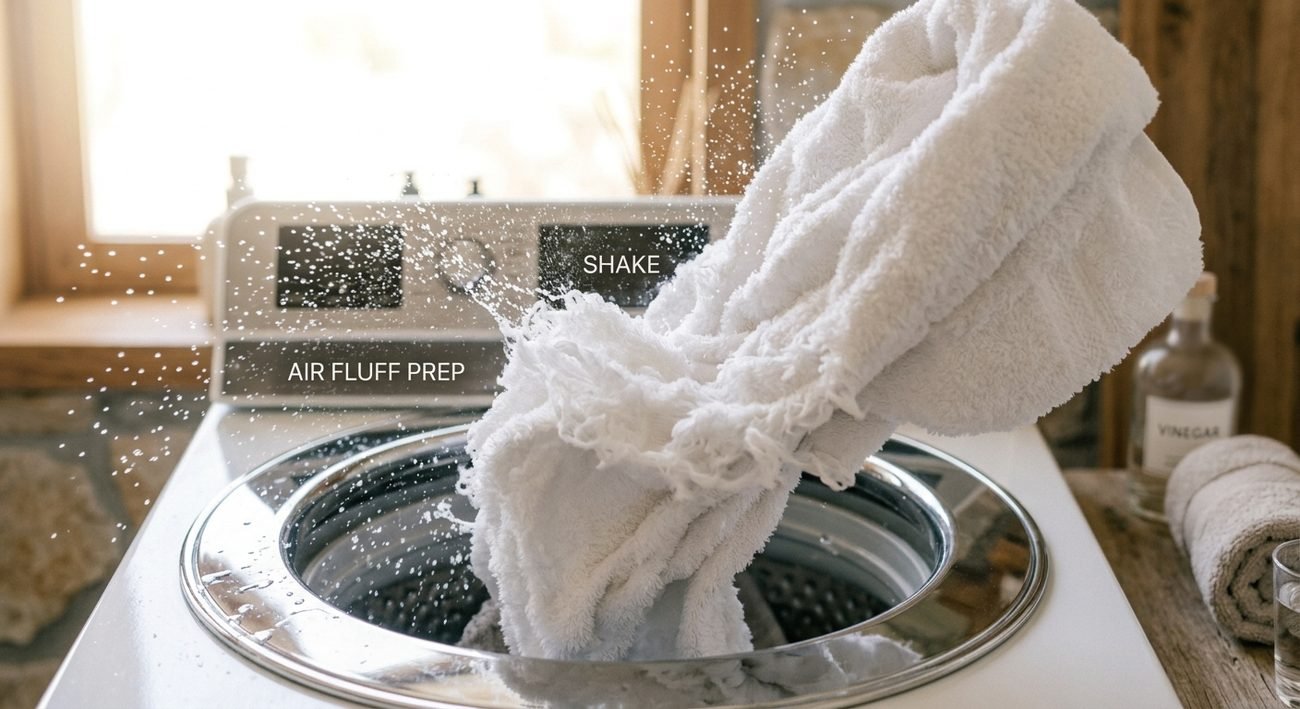
How you dry your towels is just as crucial as how you wash them.
- The Shake Method: Before putting wet towels into the dryer or onto the line, give every towel a vigorous shake. This uncurls the cotton loops, fluffing up the pile before drying begins.
- Tumble Dryer Tips: Dry on medium to low heat. High heat can singe or bake cotton fibers, making them coarse. Toss in a few wool dryer balls or clean tennis balls to naturally beat and fluff the towels as they dry.
- Air-Drying Secret: If you prefer line drying, avoid harsh direct sunlight for extended periods, as UV heat can bake cotton stiff. Hang towels in a shaded, well-ventilated breeze, and finish them with a 10-minute tumble in the dryer on a cool setting to soften them up.
6. The Deep-Clean Reset: Deep Cleansing Wash
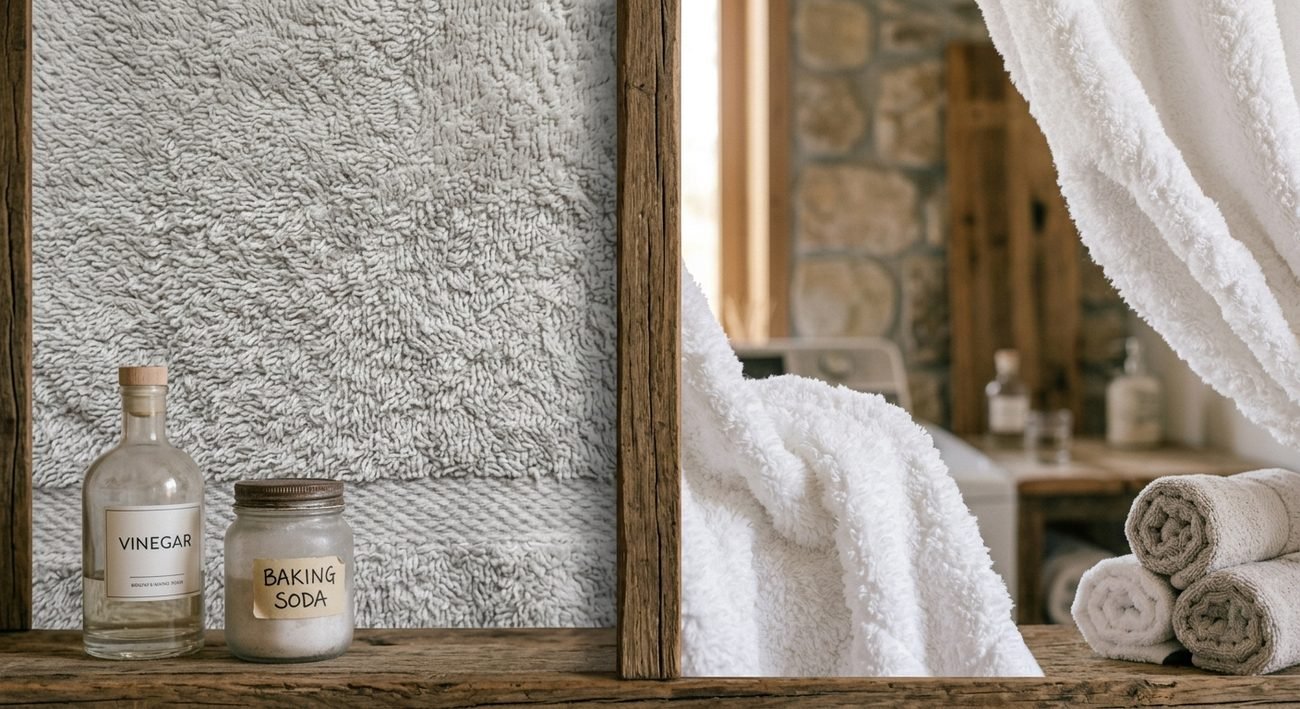
If your towels are already feeling like sandpaper due to years of detergent and mineral buildup, try this simple two-step strip-washing method once every few months:
- Cycle 1 (Vinegar Reset): Wash your towels on a warm or hot cycle using 1 cup of white vinegar instead of laundry detergent. Do not add softener or detergent.
- Cycle 2 (Baking Soda Polish): Immediately run a second warm cycle using 1/2 cup of baking soda in place of detergent. Baking soda helps neutralize trapped odors and gently scours away lingering grime.
- Dry: Tumble dry on medium heat with wool dryer balls.
Care Quick-Reference Guide
| Do’s | Don’ts |
| Do use 1/2 cup white vinegar in the rinse cycle. | Don’t use liquid fabric softeners or dryer sheets. |
| Do cut laundry detergent in half. | Don’t overload the washing machine drum. |
| Do shake wet towels before drying. | Don’t dry on high heat settings. |
| Do wash towels separately from clothes with hardware. | Don’t let wet towels sit in the washer for hours. |
Final Thoughts
Keeping export-grade towels as soft, absorbent, and lofty as the day you bought them doesn’t require expensive products. By reducing detergent, ditching commercial softeners, and giving cotton fibers room to tumble, you can preserve their luxurious quality for years to come.